A W4ll Out (2021)
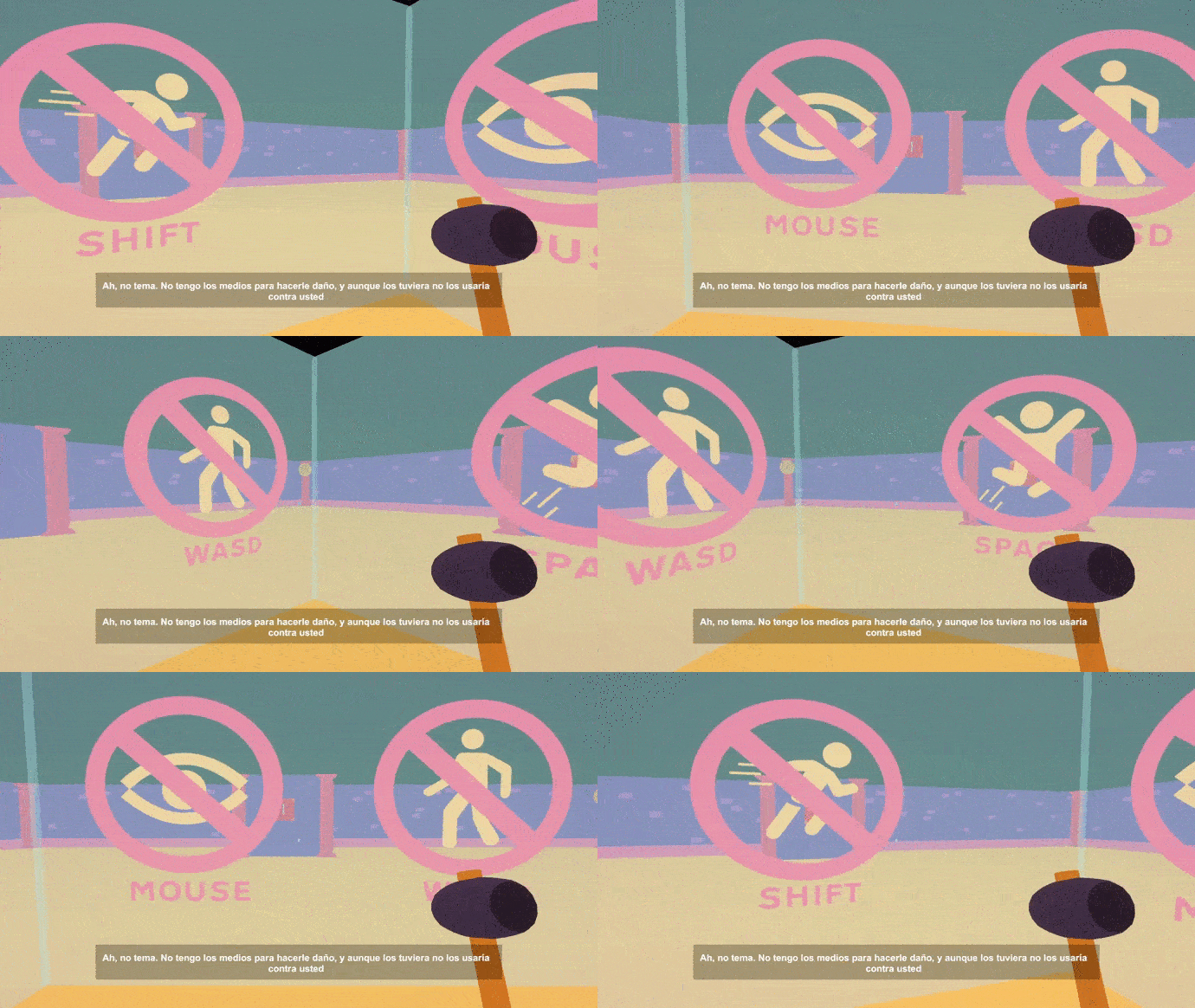
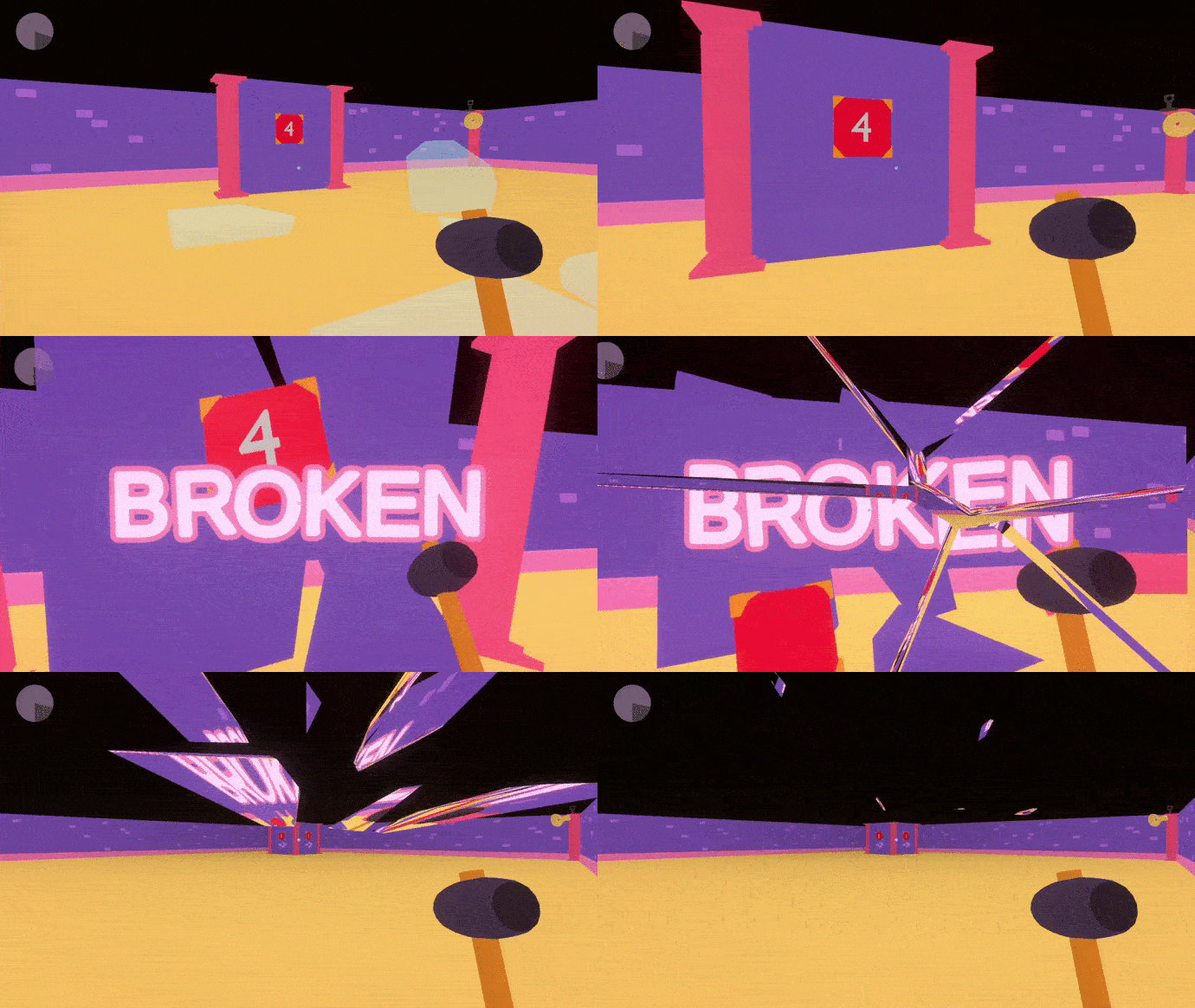
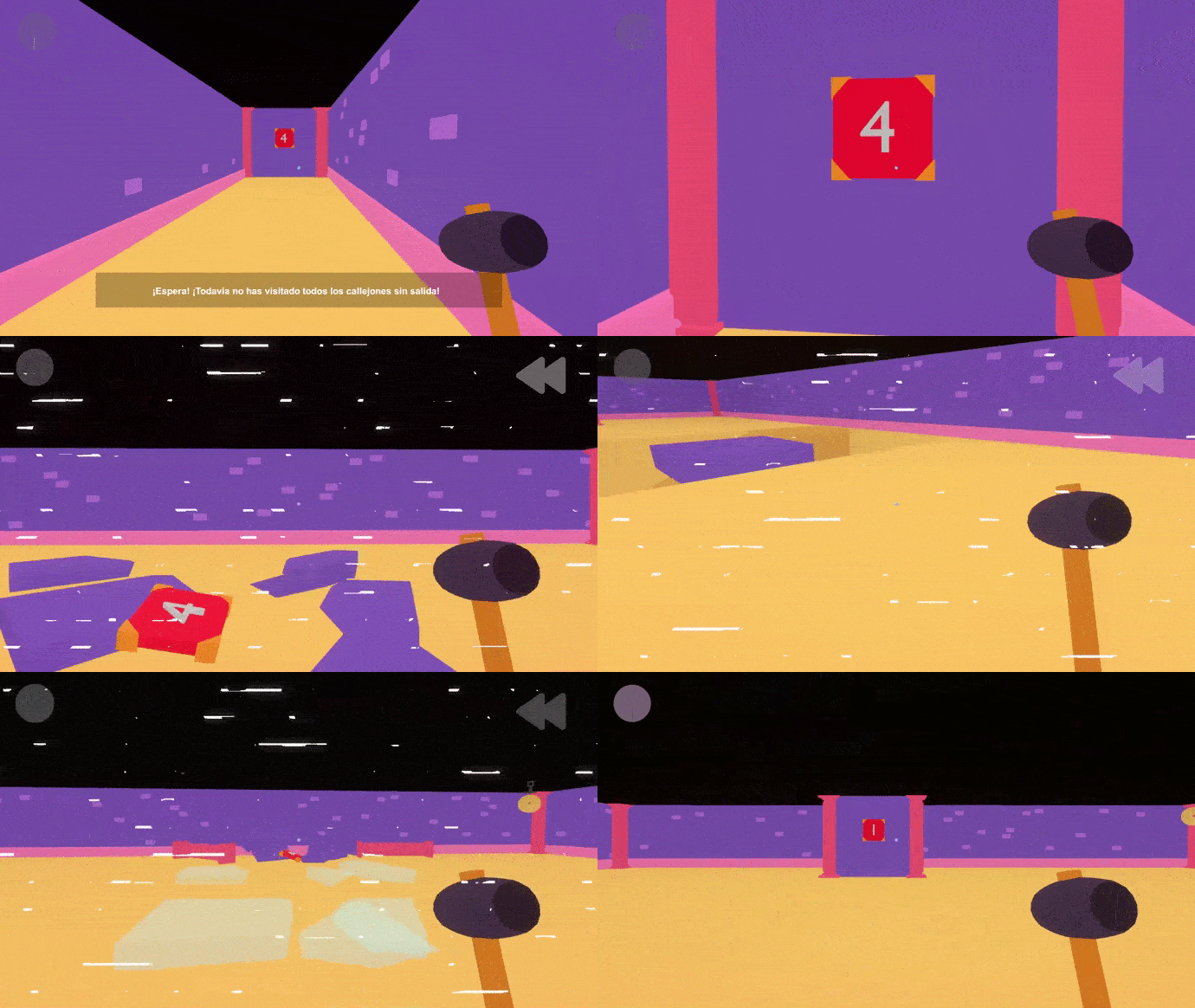
A chaotic first person puzzle game, where
you have to break the 4th wall in order to escape from a "friendly" AI.
This game was made with Unity by a team of 5 in under a week, for the Game Gen Game
Jam. The theme of the jam was "The 4th Wall" and "Loops"
and we decided to take it literally and make breaking walls with a hammer the core concept.
Super Sokoban Maze (2021)
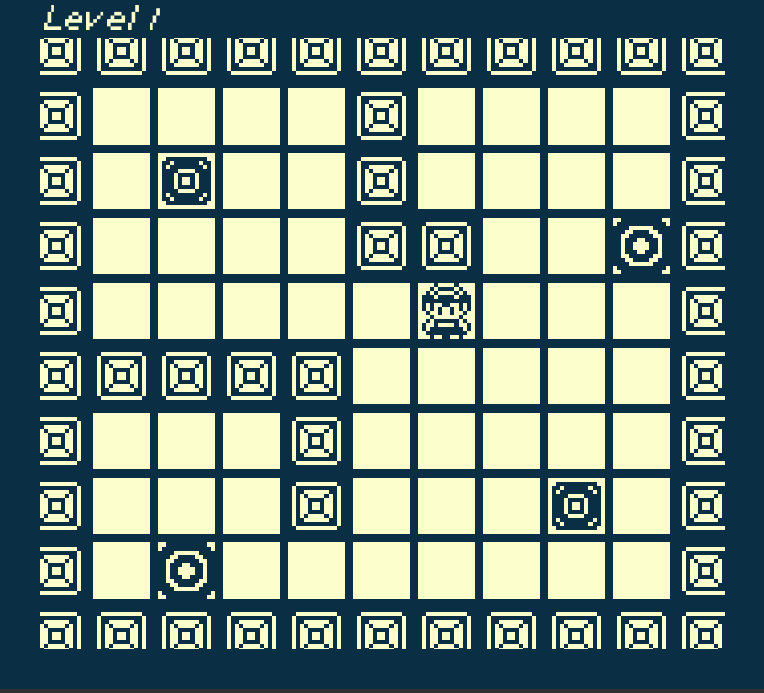
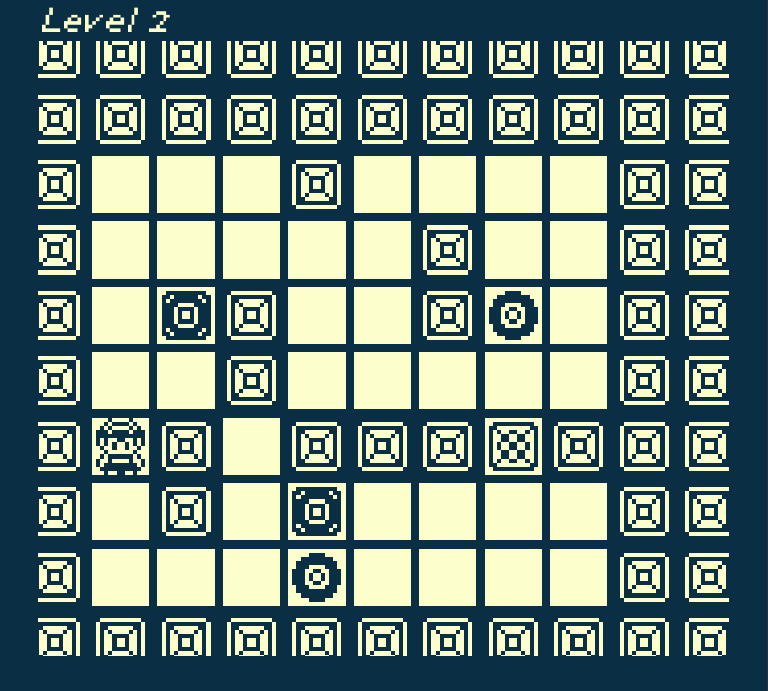
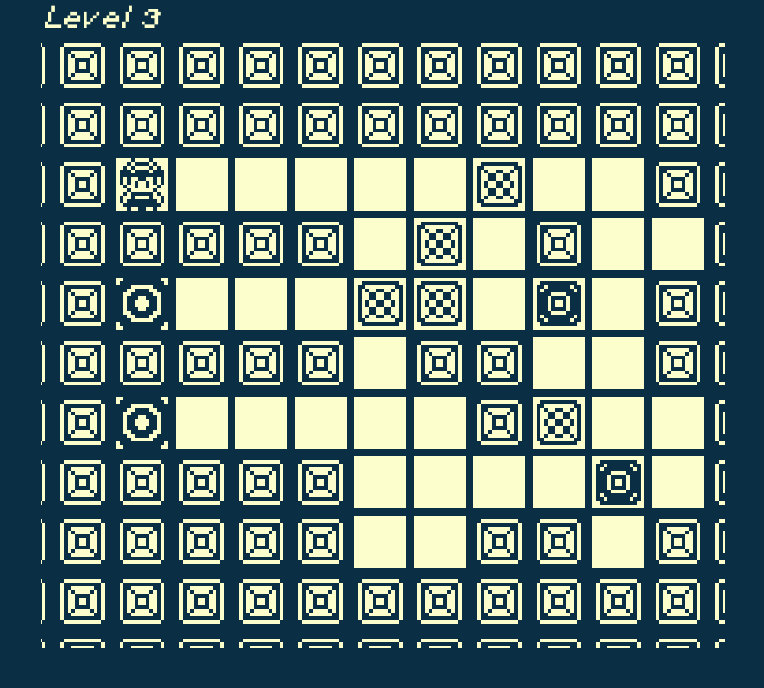
In this solo project, I aimed to create
6 Sokoban levels following 6 different design
methodologies
The game is played on a board of squares, where each square is
floor or a wall. Some squares on the floor contain boxes
and some squares on the floor are marked as storage locations.
The player is confined to the board and can move horizontally or
vertically over empty squares (never through walls or
boxes).
The player can move a box by walking towards it and pushing it towards
the box beyond. You can't pull the boxes and you can't
push them to squares with walls or other boxes.
The number of boxes equals the number of storage locations. The puzzle
is solved when all boxes are placed in their storage places.
Get out of Control (2020)
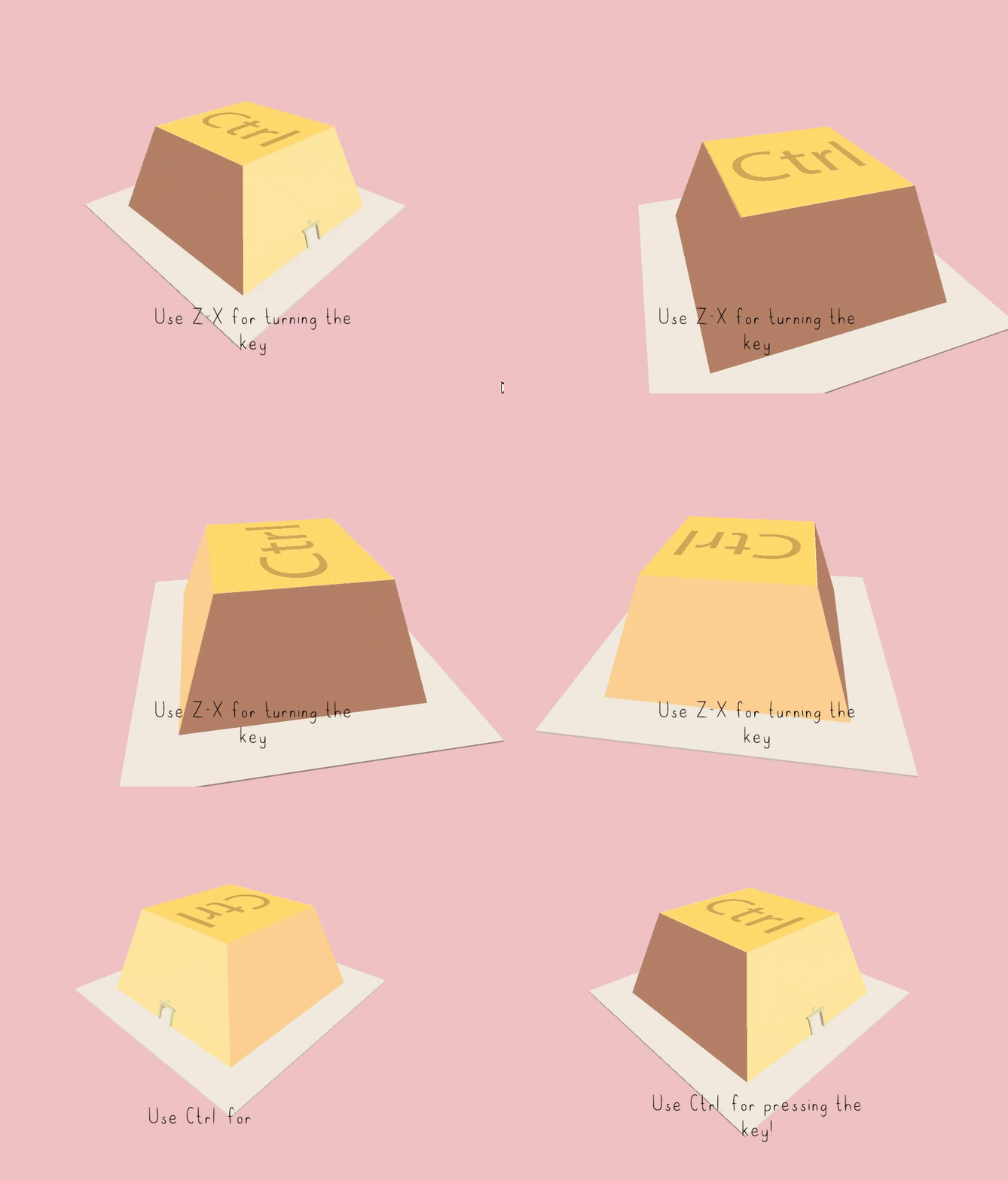
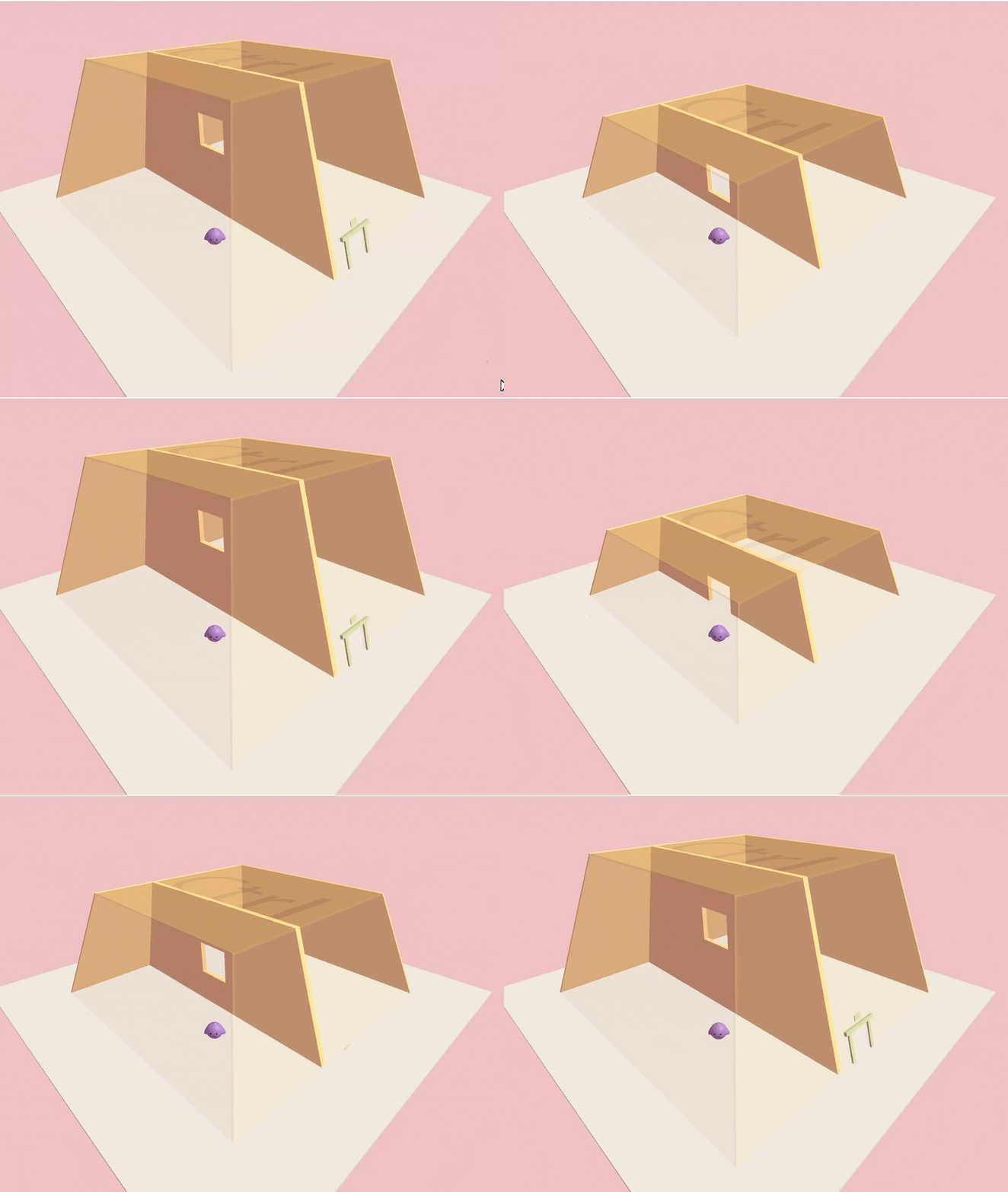
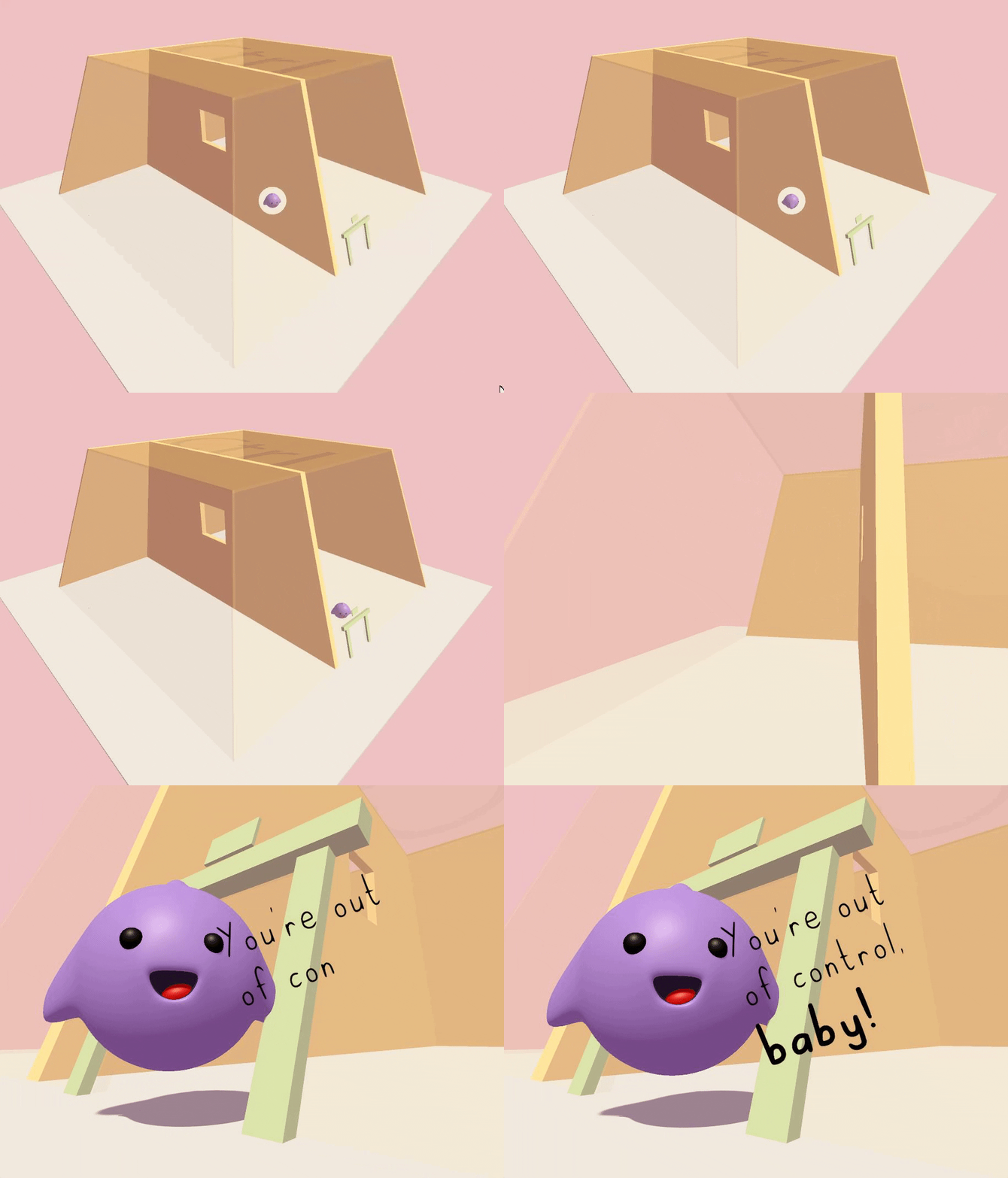
A calm puzzle game where you help an
adorable tiny monster escape from a CTRL-key-shaped maze,
by actually pressing the Ctrl key in your keyboard
This game was made with Unity by Marcos Agudo (@mercadodev13) and me for the GMTK JAM
2020 in under 48 hours. The theme of the jam was "Out of Control" and we took
the concept literally in order to make a puzzle game
Child of my Eyes (2020)
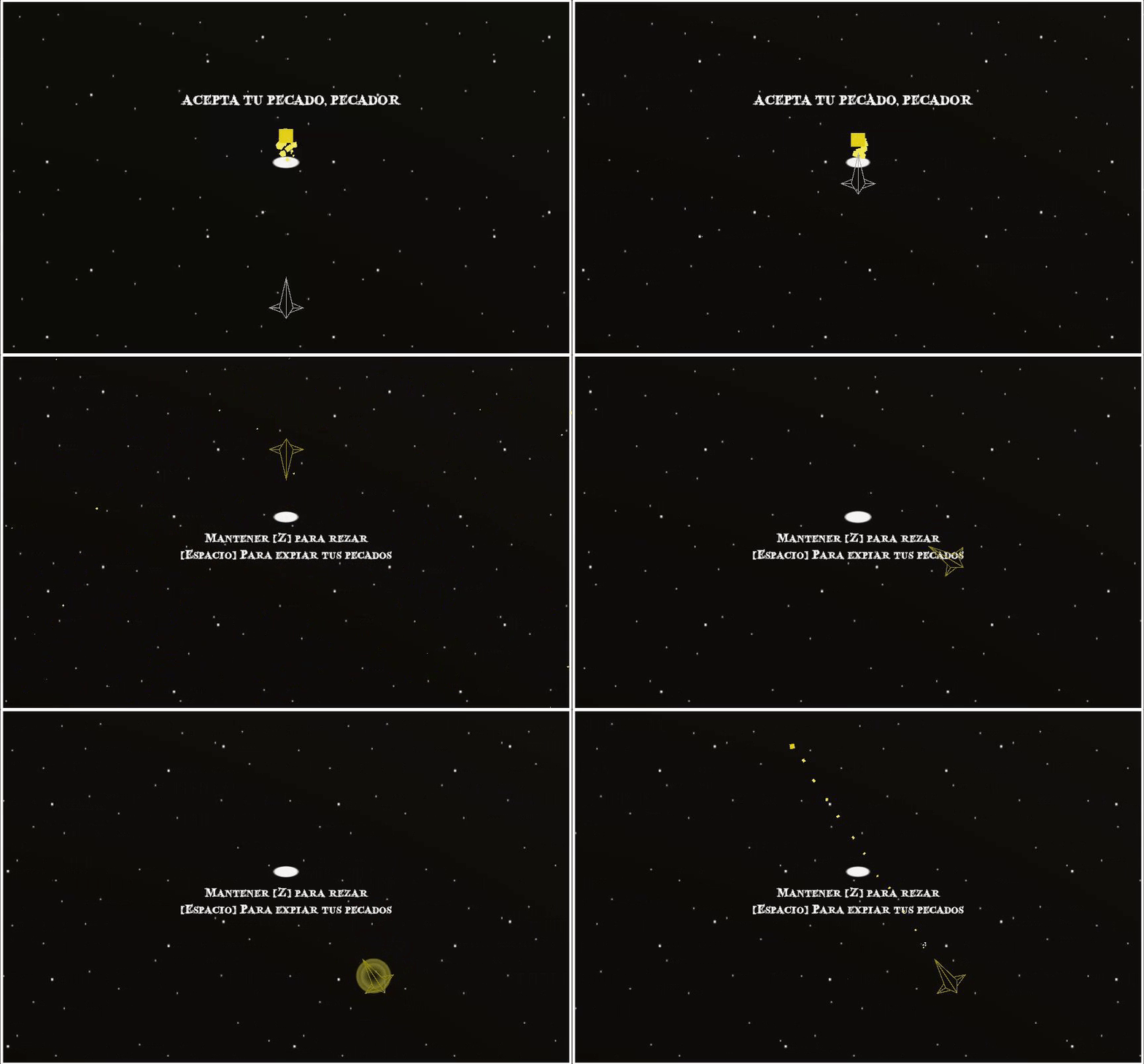
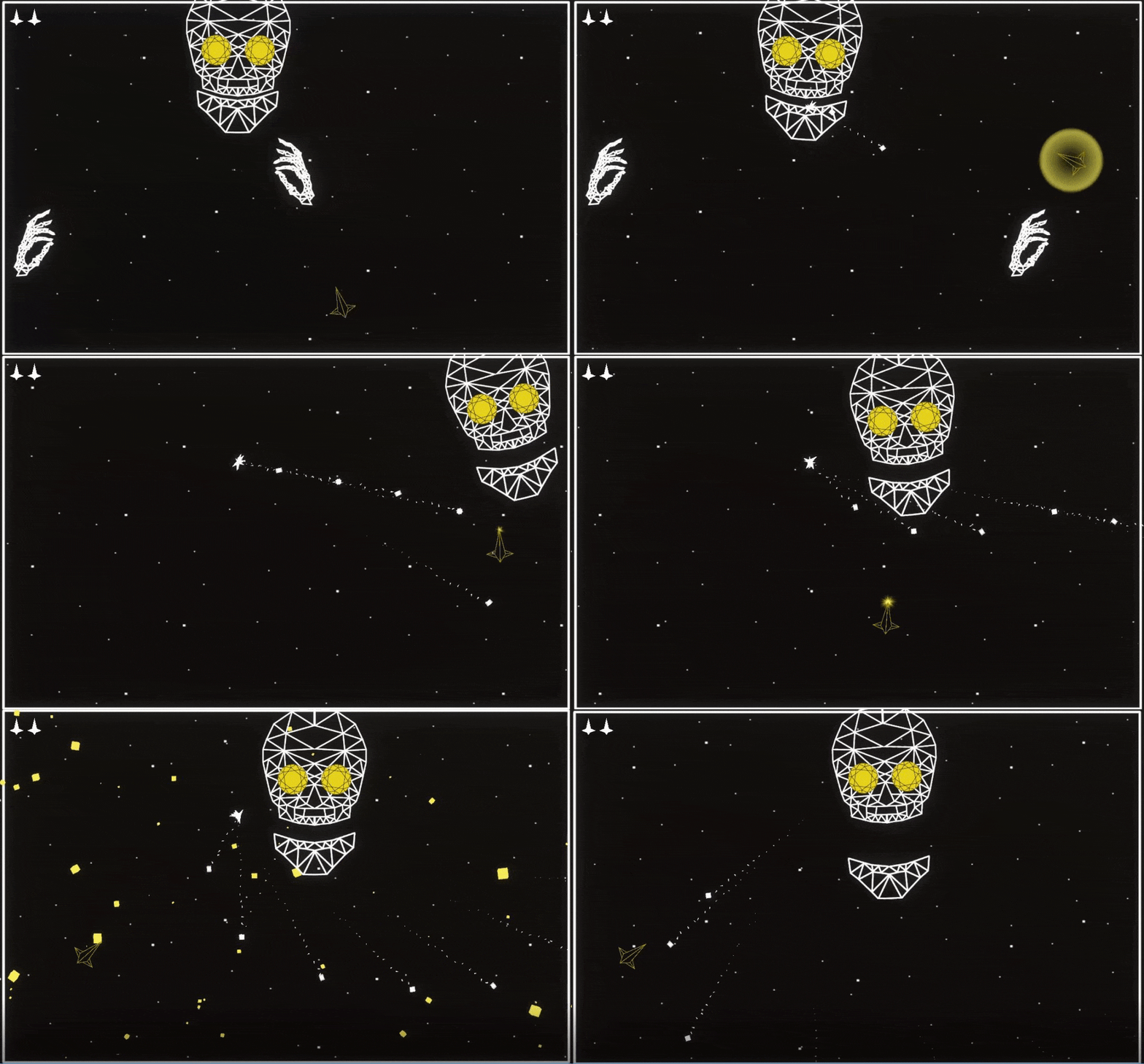
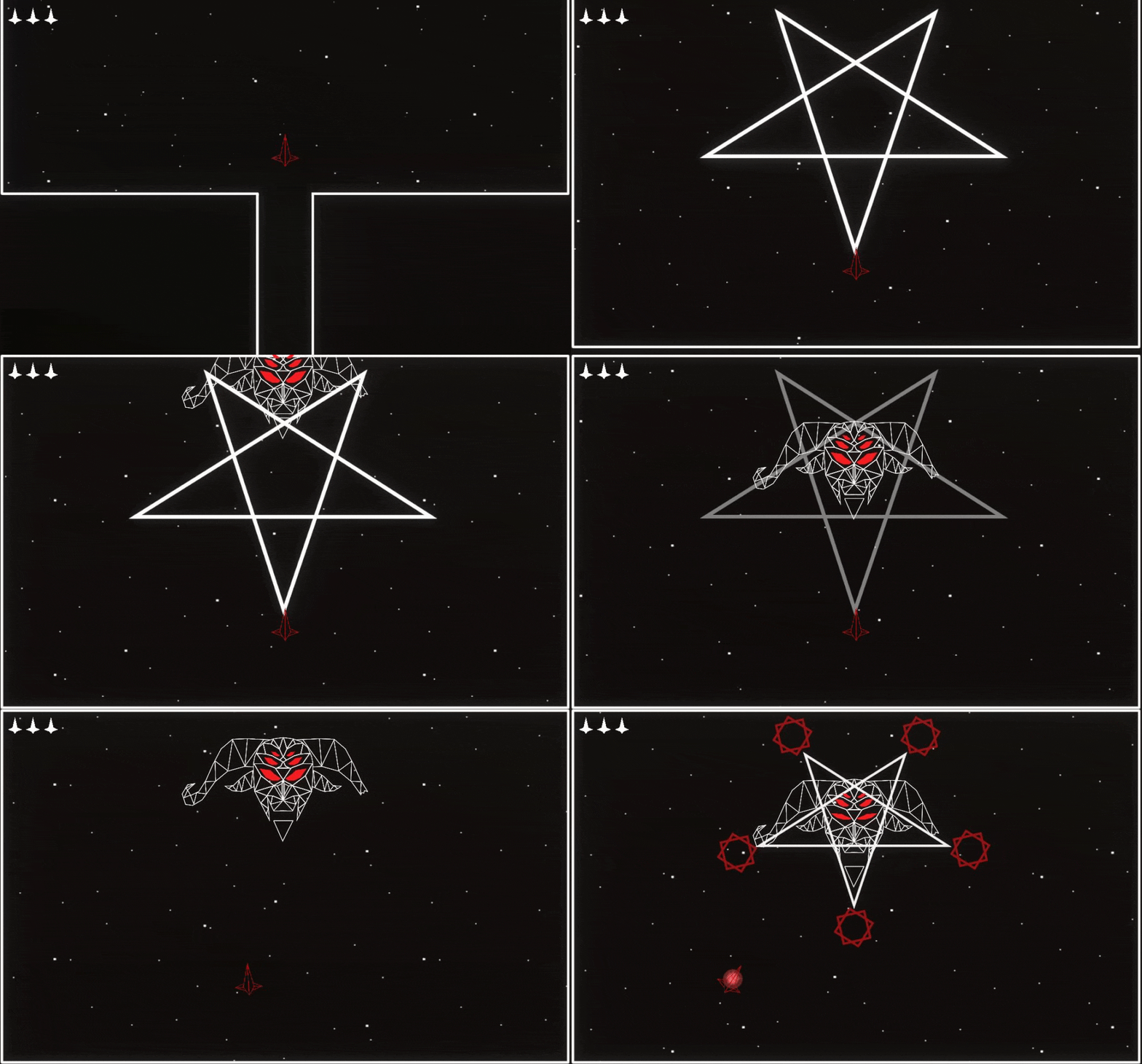
A frenetic boss rush with bullet hell
influences, where you face the internal duels that flourish after the loss of a loved
one.
This game was made with Unity by a team of 5 in under a week, for the Spain Game Devs
Jam II. The theme of the jam was "Duel"
and we decided to take Kübler-Ross model and turn the stages of grief into bosses that
represent these stages.
Super Mario Level Generator (2020)
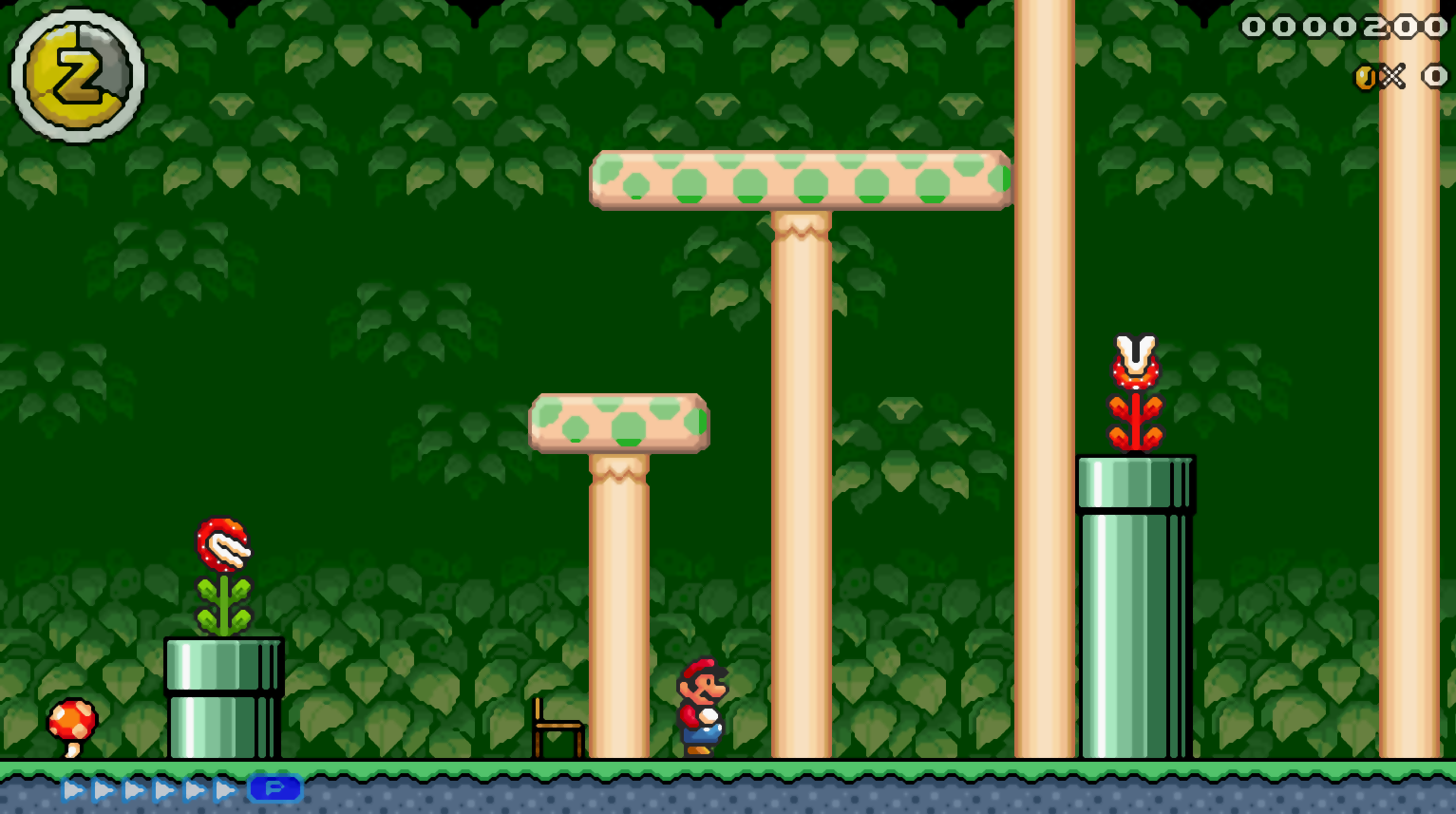
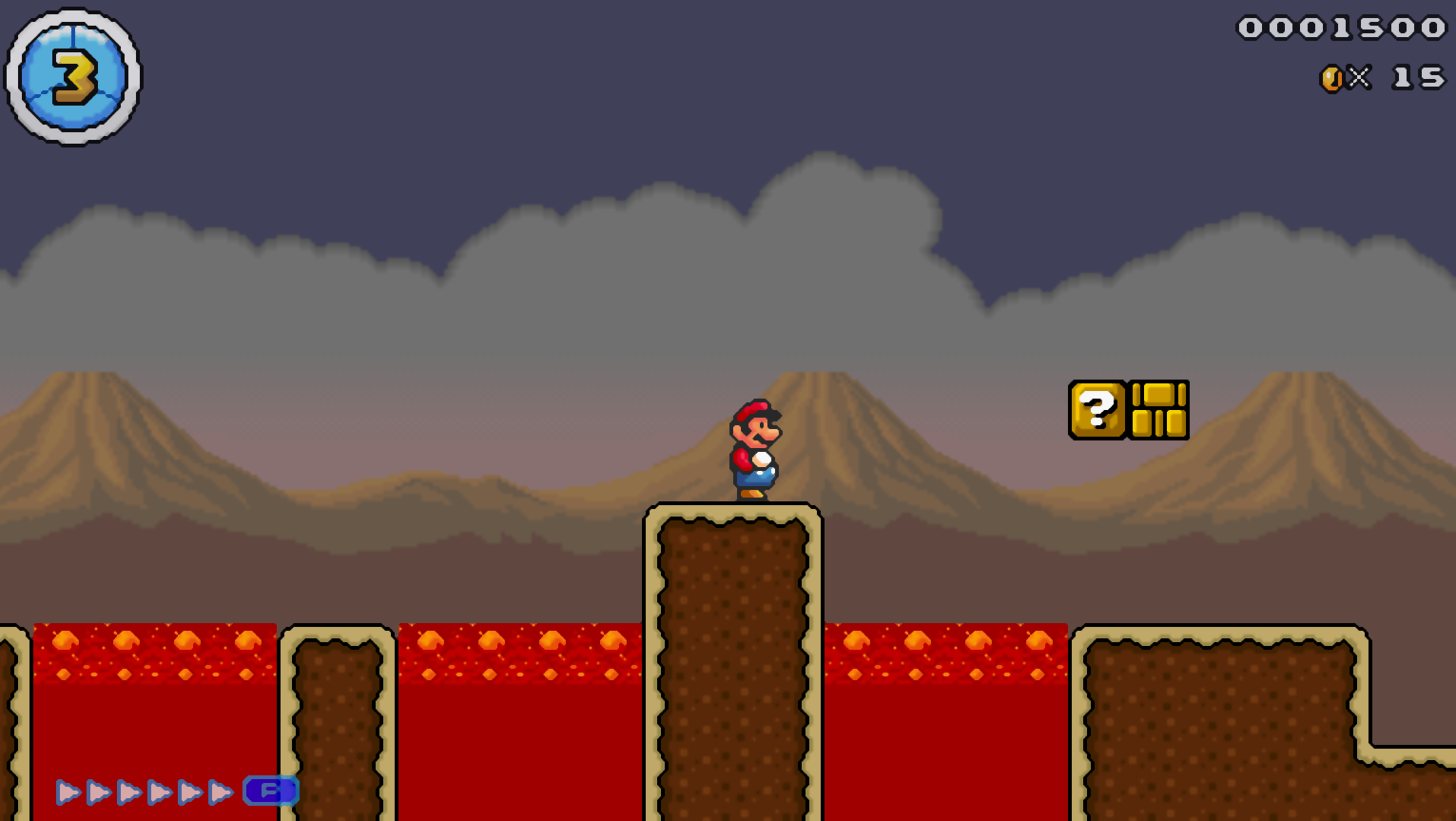
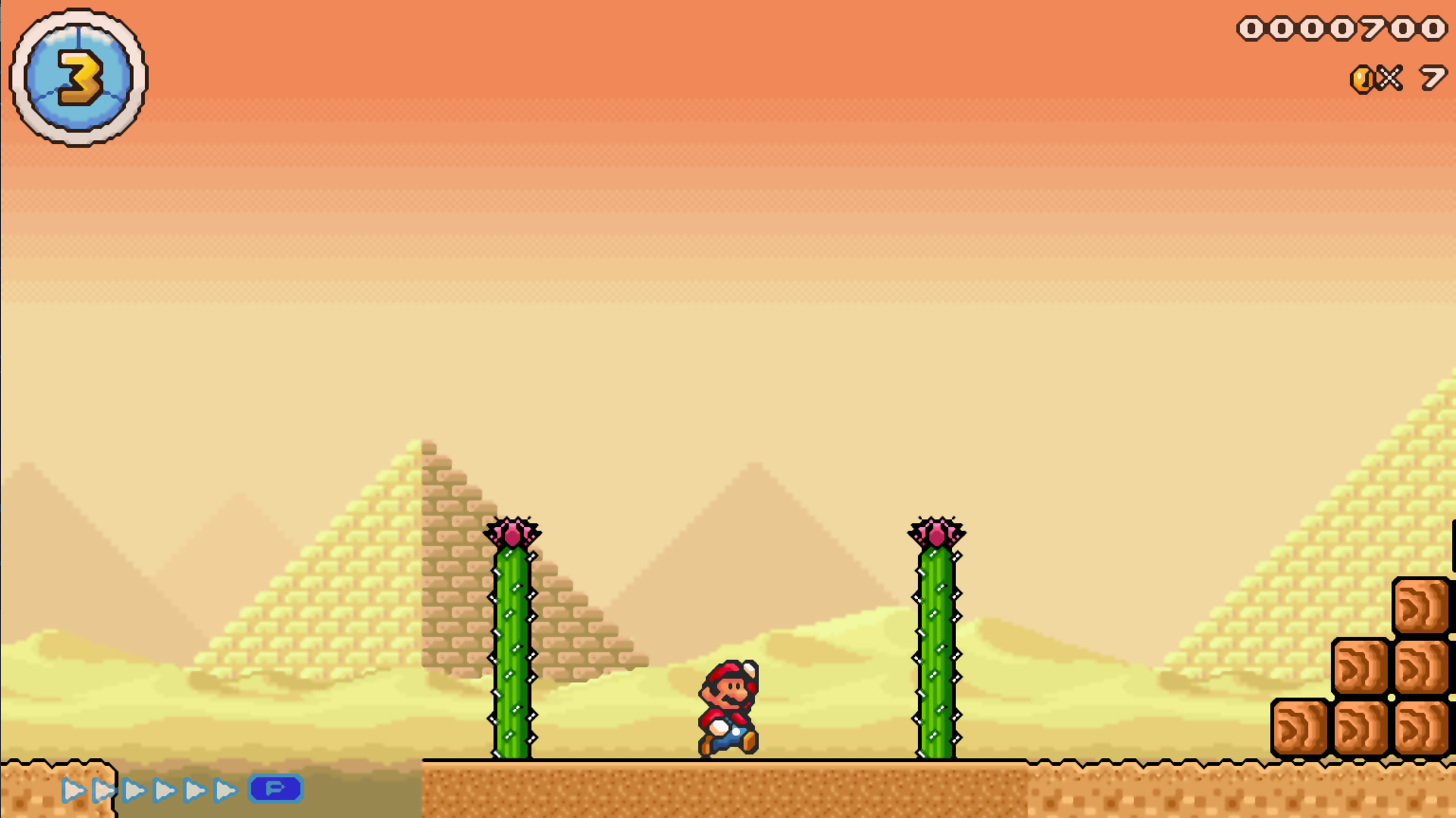
As part of my university final project, I made a thesis called
"Super Mario Level Generator, an approach to procedurally generated worlds through
design patterns", in which I explore the problems that
prodedural level generation implies in 2D-platform games,
and how these problems can be resolved using game and level design
patterns.
In order to support the thesis, I created a Super Mario Level Generator
which creates automatized levels based on these principles. The
video above shows an example of a generated level.
The generator is entirely made on C++ and uses "Mario Editor", a useful open
source tool developed by Hello Fangaming, as the engine in which to play the
generated levels.
The investigation begins by identifying a good amount of design patterns, both
exclusive to Super Mario (Horde of enemies, series of pipes, etc) and more
general patterns (Guide, Risk-Reward, etc ), collected throughout platform
levels. With the patterns identified, the levels of which were collected are analyzed
separately with the intention of examine how these patterns work and connect with
others.
These patterns are then parametrized are assigned a value in terms of aspects like their difficulty to go through or the hazards that present the player. Then, an algorithm (the Knapsack problem), arranges them and creates a whole level based on the user's selected difficulty (easy, normal, hard). Things like flow, progression and ryhtm are carefully measured in the algorithm and therefore in the level creation process, so the patterns succession will follow a natural sense of progression.